BRAMPTON, ON – Coyotes, typically shy and non-confrontational toward people, have entered their mating and breeding season. This seasonal activity continues through late February. During this time, residents may notice an increase in wildlife sightings across neighbourhoods, parks and recreational trails. To support safe coexistence, Brampton Animal Services is reminding residents to remain aware of common behaviours and take simple precautions to protect themselves, their families and household pets. Coyotes are a natural part of Brampton's environment, and awareness is key to preventing conflict.
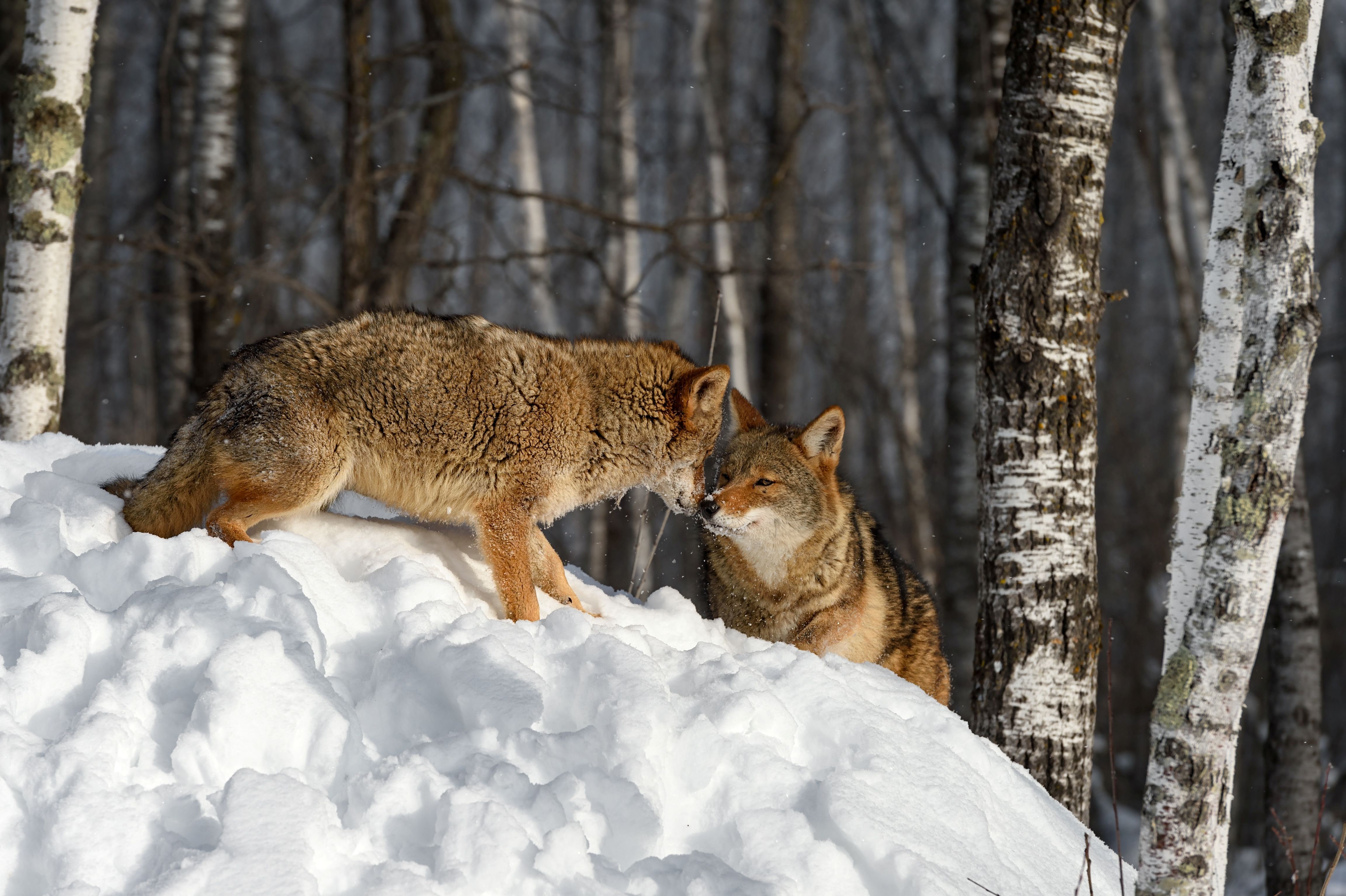
Coyotes are more active during mating season; residents are reminded to stay alert and take precautions. Credit: Shutterstock
Tips to stay safe during coyote mating season
- Keep pets on a leash: When walking dogs, always use a short leash, particularly near parks, recreational trails and naturalized areas where coyotes are commonly seen. Leash use helps prevent unexpected encounters.
- Secure all food sources: Do not leave pet food, birdseed or garbage outdoors, as these can attract coyotes or their prey. Store garbage in secure containers and clean up fallen fruit or food scraps around your property.
- Do not feed wildlife: Under the Animal Services By-law, feeding wildlife is prohibited. Purposely feeding wildlife can encourage coyotes to gather in residential areas and develop unnatural behaviours
- Supervise pets outdoors: Always supervise pets outside, even in fenced yards, especially during dawn and dusk when coyotes are most active. Small dogs and cats may be perceived as prey.
- Be "big and loud": If you encounter a coyote, do not run. Make yourself appear larger by raising your arms and making loud noises. Coyotes will typically retreat when they feel threatened.
- Report unusual behaviour: If you see a coyote displaying aggressive or unusual behaviour, such as approaching people or acting sick, contact Brampton Animal Services immediately at 3-1-1 or 905.458.5800. If a coyote presents an immediate threat to public safety, call 9-1-1.
Steps to take if you encounter a coyote
- Stay calm.
- Do not run away, as this may encourage the animal to follow.
- Back away slowly while maintaining eye contact.
- Make yourself loud and large if the coyote approaches. Do not chase or touch the animal.
- Report the encounter to 3-1-1 once you’re safe. In emergency situations, call 9-1-1.
What is a coyote?
Coyotes are small wild canines weighing approximately 30 to 40 pounds, with thick fur that can appear blonde, red, brown or black. They thrive in rural settings and adapt well to urban environments, including ravines, valley lands and wooded areas within large cities.
Coyotes are generally shy and non-confrontational and can be seen throughout the year. They play an important role in maintaining a balanced ecosystem and are highly adaptable to their surroundings.
Why are there coyotes in Brampton?
Coyotes are not new to Ontario. All major cities across North America are home to them. Urban development has increased access to food sources such as mice, rats, rabbits and squirrels, as well as areas suitable for shelter and denning.
Despite this, many residents may never see a coyote, as they prefer to remain unnoticed and avoid potential threats, including people and pets.
Are coyotes dangerous?
Coyotes are naturally timid animals and typically avoid people. Most sightings involve coyotes searching for food, a mate or protecting their family groups. They are primarily focused on keeping other coyotes away from their territory.
Because dogs resemble coyotes, they may be treated as competition or a threat, which is why pet supervision and leash use are critical.
Coyote aversion conditioning techniques
If a coyote approaches, aversion conditioning can be used to safely deter it from coming closer. Tools such as loud noisemakers, water bottles or umbrellas can help startle the animal. The objective is to reinforce the coyote’s natural wariness of humans.
Brampton’s Coyote Sighting Map
The City of Brampton’s interactive
Coyote Sighting Map helps residents stay informed about wildlife activity in their area. Residents and visitors are encouraged to use this tool to plan outdoor activities and report sightings to support community awareness and prevention.
How Brampton Animal Services helps keep the community safe
Brampton Animal Services is committed to promoting safe coexistence between wildlife and the community. Through its dedicated wildlife response team, Animal Services works alongside residents to protect Brampton’s natural ecosystem while supporting public safety.
Key actions include:
- Conducting aversion conditioning on wildlife to reinforce a fear of being close to people and communities. Members of the public can also practise aversion conditioning if they encounter a coyote by making themselves look large, raising their arms and making loud noises.
- Assigning designated Brampton Animal Services officers to specific duties aimed at reducing coyote conflicts, including:
- Conducting routine enhanced coyote hazing in residential areas
- Identifying locations for coyote signage at pathways entering wooded areas
- Responding to coyote conflicts
- Enforcing wildlife feeding by-laws in areas where food is frequently left for wildlife
- Monitoring coyote sighting data to identify trends
- onducting public education to inform residents about coyotes and coexistence tactics
- Increasing staff presence in areas with frequent coyote sightings, encounters or conflict, including:
- Providing inspections of private or public property for environmental factors which may attract coyotes, create habitat or provide access points, supporting the prevention of encounters or conflicts
Contacting Brampton Animal Services
Brampton Animal Services is available to educate, inform and respond to wildlife-related concerns. Residents can contact Animal Services at 905.458.5800. Animal Control officers are also on patrol and available after-hours for emergencies.
If a coyote is actively presenting an immediate threat to public safety by exhibiting aggressive behaviour such as lunging or biting, call 9-1-1. If the threat is no longer active or there is no immediate danger, call 3-1-1. Residents can also report injured or deceased coyotes through 3-1-1 or submit non-aggressive sightings using the Coyote
Sighting Map.
For more information and resources, visit brampton.ca/coyotes.
Media Contact
-30-
Media Contact
City of Brampton Media Relations
MediaRelations@Brampton.ca
